Skip to content

Meibography for Advanced Dry Eye Diagnosis in Colorado Springs

Dry eye can feel the same for many people. Your eyes may burn. They may sting. They may feel gritty or tired. Your vision may blur and then clear again.

But even if symptoms feel similar, the cause is often different.

Some people do not produce enough tears. Others produce tears, but those tears evaporate too quickly. Many patients have a problem with the oil glands in their eyelids.

At Bettner Vision in Colorado Springs, we use advanced diagnostic tools to understand what is truly causing your symptoms. Meibography allows us to look beneath the surface and see the oil-producing glands inside your eyelids.

Instead of guessing, we can see what is happening.

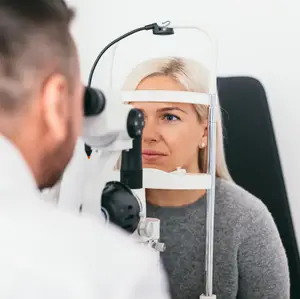
Woman having her eye examined by an eye doctor
sound wave icon on red background

What Is Meibography?

Meibography is a simple imaging test. It takes detailed pictures of the meibomian glands.

These glands are located inside your upper and lower eyelids.

They produce the oil layer of your tear film. Your tear film has three layers:

An oil layer

A water layer

A mucus layer

Each layer plays an important role. The oil layer sits on top. Its job is to keep tears from evaporating too quickly.

If the oil layer is weak or unstable, tears dry up faster. This leaves the surface of your eye exposed. That exposure leads to irritation and inflammation.

Meibography shows us the shape and structure of these oil glands. It helps us see whether they are healthy, blocked, shortened, or damaged.

Why the Meibomian Glands Matter

The meibomian glands are small, but they are very important.

When they work properly, they release a steady flow of oil. That oil spreads across your tears each time you blink. It keeps your eyes smooth and comfortable.

When the glands become blocked, oil cannot flow normally. Over time, the glands may shrink or stop working altogether. This condition is called meibomian gland dysfunction.

This is one of the most common causes of dry eye.

When the glands are not healthy, you may experience:

  • Burning
  • Stinging
  • Redness
  • Blurry vision
  • Light sensitivity
  • Eye fatigue

These symptoms may worsen during screen use or at the end of the day.

Meibography helps detect these gland problems early.

A close-up of a man's eye with a red spot, looking serious and staring at something
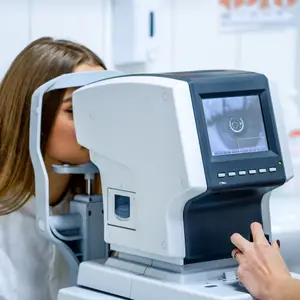
A girl with blonde hair is having her eyes checked by an optometrist using an eye exam machine

What Happens During the Test?

The meibography test is quick and comfortable.

You sit in front of the imaging device. The eyelid is gently positioned so the camera can see the glands inside. The device captures detailed images in just a few seconds.

There are no injections. Nothing touches the surface of your eye. There is no recovery time.

Most patients say the test is easy and painless.

At Bettner Vision, we review the images with you during your visit. This helps you better understand your eye health and your treatment options.

What the Images Show

Meibography gives us clear visual information.

We can see:

  • The length of the glands
  • The number of functioning glands
  • Areas where glands have shortened
  • Areas where glands have dropped out completely
  • Signs of blockage

Healthy glands appear long and well-defined. Damaged glands may look shortened or missing in certain areas.

This information helps guide treatment decisions at Bettner Vision.

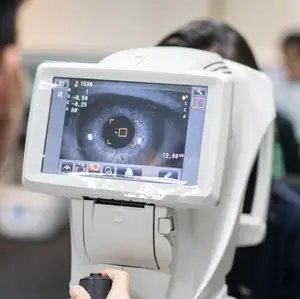
An eye testing machine is used in a medical setting with a person holding it, possibly for an eye test.
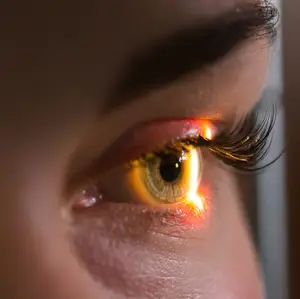
A close up of a person's eye with a yellow light reflecting off of it.

Why Imaging Makes a Difference

Dry eye is often treated based on symptoms alone. But symptoms do not always tell the full story.

Two patients may both report burning and blurry vision. One may have blocked glands. The other may have significant gland loss.

These two patients need different treatments.

Meibography gives us objective information. It removes guesswork. It allows treatment to match the actual condition of the glands.

If the glands are still healthy but blocked, treatment may focus on improving oil flow.

If gland loss has already occurred, treatment may focus on preserving remaining function and protecting the surface of the eye.

This level of precision leads to better results and more efficient care.

Early Detection Is Important

Meibomian gland dysfunction often develops slowly.

At first, glands may only be mildly blocked. Over time, chronic inflammation can cause permanent damage. Once a gland fully atrophies, it cannot grow back. That is why early detection matters.

Meibography allows us to identify changes before severe damage occurs. Early treatment can slow progression and protect long-term eye health.

At Bettner Vision, our goal is not only to relieve symptoms but also to preserve gland function for the future.

A woman is looking into an eye examination machine while a man is looking at her through it
Business man with a headache covering his eyes with his hand while sitting at a desk

Tracking Changes Over Time

Meibography is not only useful at the first visit. It can also be used to monitor progress.

Dry eye is often a chronic condition. It requires ongoing care. Follow up imaging allows us to see whether treatment is helping.

We can compare new images to previous ones. This helps us determine:

  • Whether gland structure is stable
  • Whether blockage has improved
  • Whether additional treatment is needed

Patients often appreciate seeing visual proof of improvement. It makes progress easier to understand.

Who Should Consider Meibography?

Meibography is especially helpful for patients with ongoing dry eye symptoms.

You may benefit from this test if you experience:

  • Chronic dryness
  • Frequent burning
  • Blurred vision that comes and goes
  • Red eyelid margins
  • Watery eyes that still feel dry
  • Discomfort with contact lense

Patients who have not improved with artificial tears alone often need deeper evaluation.

Advanced imaging at Bettner Vision provides that deeper look.

A woman is using an eye examination machine while wearing a white shirt and a ring on her left hand.
A woman in a white lab coat is administering eye drops to herself.

Part of Your Complete Dry Eye Evaluation

A complete dry eye evaluation may also include:

  • Measuring tear volume
  • Checking tear stability
  • Examining the surface of the eye
  • Evaluating eyelid inflammation
  • Assessing blink patterns

By combining these findings, we can build a complete picture of your eye health.

Treatment may include:

  • Warm compress therapy
  • In-office gland treatments
  • Prescription eye drops
  • Lid hygiene routines
  • Nutritional recommendations

Because we understand the structure of your glands, treatment becomes more focused and effective.

Take the Next Step Toward Dry Eye Relief

If your eyes feel dry, irritated, or tired, it may be time for advanced testing.

Meibography at Bettner Vision in Colorado Springs helps identify the true cause of dry eye symptoms. It allows for targeted treatment instead of temporary fixes.

With clear imaging and personalized care, you can move toward more stable, comfortable vision.

Schedule your dry eye evaluation today and take the first step toward long-term relief.