Skip to content

Meibomian Gland Dysfunction Treatment in Colorado Springs

Dry, burning, watery, or tired eyes can sometimes start with tiny oil-producing glands inside your eyelids. When these meibomian glands become blocked or stop releasing enough healthy oil, your tears can evaporate too quickly. This is called meibomian gland dysfunction, or MGD.

At Bettner Vision in Colorado Springs, we evaluate your eyelids and tear film to determine whether MGD may be contributing to persistent dryness, irritation, or fluctuating vision.


Illustration of a woman's face highlighting various eye and tear-related issues including Meibomian Gland Dysfunction, inflamed glands, disrupted lipid layer, aqueous deficiency, tear film, and tear film instability.
sound wave icon on red background

What Is Meibomian Gland Dysfunction?

Your meibomian glands sit inside your upper and lower eyelids. They produce oils that spread across your tears each time you blink.

This oil layer helps keep tears from evaporating too quickly. When the glands become blocked or their oils do not flow properly, the tear film can become unstable. Your eyes may then feel dry or irritated, and your vision may fluctuate throughout the day.

MGD is commonly associated with evaporative dry eye. Because several conditions can cause similar symptoms, an eye exam can help determine whether your meibomian glands are part of the problem.

Why Do Meibomian Glands Become Blocked?

Healthy meibomian gland oils need to flow freely onto the eyelid margin. When those oils become thicker or the glands become blocked, less oil may reach your tear film.

Several factors can contribute to poor meibomian gland function, including:

  • Extended screen time
  • Reduced blinking
  • Aging
  • Hormonal changes
  • Eyelid inflammation
  • Contact lens wear

Screen use can be particularly relevant because we tend to blink less often when concentrating on a computer, phone, or other device. Blinking helps release and spread oil across the tear film.

The factors behind MGD can differ from person to person. An evaluation can help your eye doctor understand what may be contributing to your symptoms.

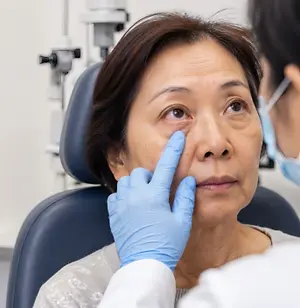
An older woman with brown hair wearing a mask and blue gloves is having her eye examined by a medical professional in a white coat.
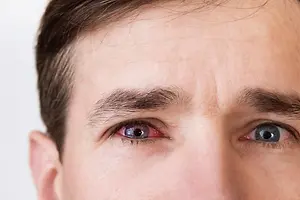
A close-up of a man's face with one eye having red spots on the sclera, while the other eye appears normal, he has slightly furrowed eyebrows and is looking straight ahead

Signs Your Meibomian Glands May Not Be Working Properly

MGD does not feel the same for everyone, and its symptoms can overlap with other forms of dry eye and eyelid irritation.

Common signs may include:

  • Burning or stinging
  • Dry, gritty, or irritated eyes
  • Redness
  • Watery eyes that still feel dry
  • Blurry or fluctuating vision
  • Eye fatigue
  • Discomfort during prolonged screen use
  • Symptoms that become more noticeable later in the day

Watery eyes may seem like the opposite of dry eye, but the two can occur together. When the eye surface becomes irritated, your eyes may produce watery reflex tears. These tears may not contain enough oil to remain stable on the eye.

How MGD and Blepharitis Are Connected

Your meibomian glands open along the edges of your eyelids. When these glands become blocked and their oils stop flowing properly, the eyelid margins can become irritated and inflamed.

MGD can occur alongside blepharitis, which causes inflammation along the edges of the eyelids. The two conditions can also affect each other. Eyelid inflammation may interfere with healthy oil flow, while poorly functioning glands can contribute to ongoing irritation.

Signs may include red or irritated eyelids, crusting, or debris around the eyelashes. Because these symptoms can have several causes, an eye exam can help determine whether MGD, blepharitis, or another eye condition is involved.

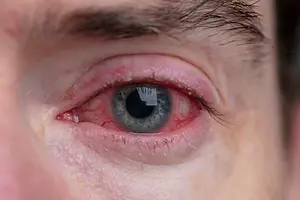
Close-up of a red, irritated eye with blurred background

Helping Your Meibomian Glands Work Better

Heat Masks

Heat masks gently warm the closed eyelids. This warmth can soften thickened oils inside the meibomian glands, making it easier for the oils to flow into your tear film.

Regular use may help support healthier gland function and a more stable tear film. Your eye doctor can show you how to warm and use your mask safely and recommend how often to use it.


Lid Hygiene

Keeping the eyelid margins and eyelashes clean can remove debris that may contribute to irritation around the gland openings.

Your eye doctor may recommend a lid-cleaning routine based on what they find during your exam. When used consistently, lid hygiene can help keep the eyelid margins clean and support your overall MGD care.

MGD often needs ongoing management. A consistent routine can help support gland function and tear stability over time.

Schedule an MGD Evaluation in Colorado Springs

Dryness, burning, watery eyes, or eyelid irritation that keeps returning deserves a closer look. An evaluation can help determine whether your meibomian glands are contributing to the problem.

At Bettner Vision in Colorado Springs, we assess your eyelids and tear film to better understand what is causing your symptoms and recommend appropriate next steps.